2025: About the World.
2026: Within the World.
- January 2026
- JOURNAL
- READ
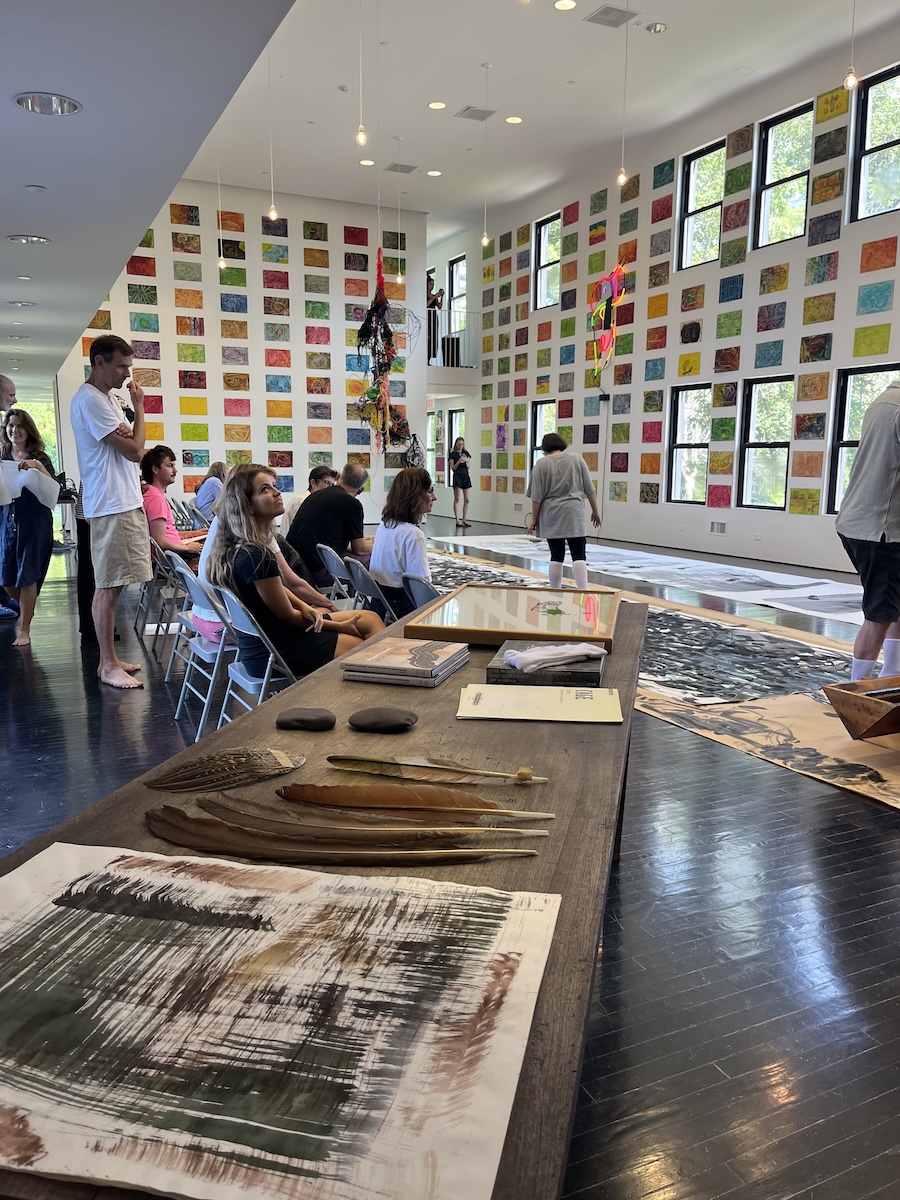
Boston Center for the Arts visiting the W97 with Jay Scheib, Section Head of MIT Music & Theatre Arts; Cambridge, Mass
I can’t quite say I was around the world, but I can say I was about the world: London, Glasgow, Bristol, Sydney, Dubai, Amsterdam, Cambridge (UK and USA), West Yorkshire, Boston, NYC, Paris, Doha, Reykjavik. I worked across strategies, prizes, museums, cultural centres, developers, investors and local governments. That range matters, because it allows patterns to surface: where systems align, where they fracture, and where culture is quietly being asked to carry more responsibility than ever before.
What struck me wasn’t how different these places were, but how often the same tensions repeated: between policy and reality, speed and care, creativity and business models, ambition and sustainability. These principles aren’t aspirations; they are responses to what I keep encountering on the ground.
I will share specific insights from these cities and types of projects over the next few weeks, but for now I wanted to begin with the principles that are shaping how I step into 2026.
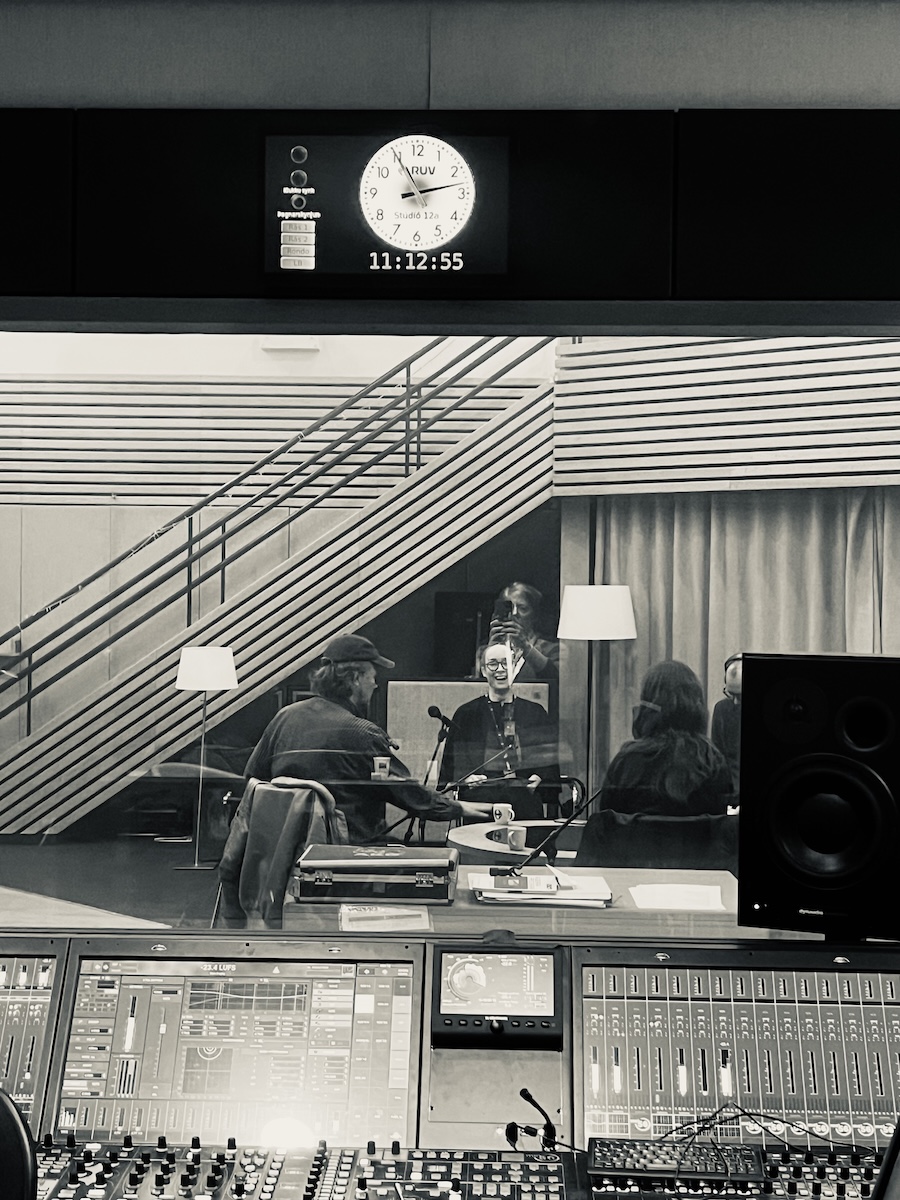
RUC Radio, Rekyjavik.
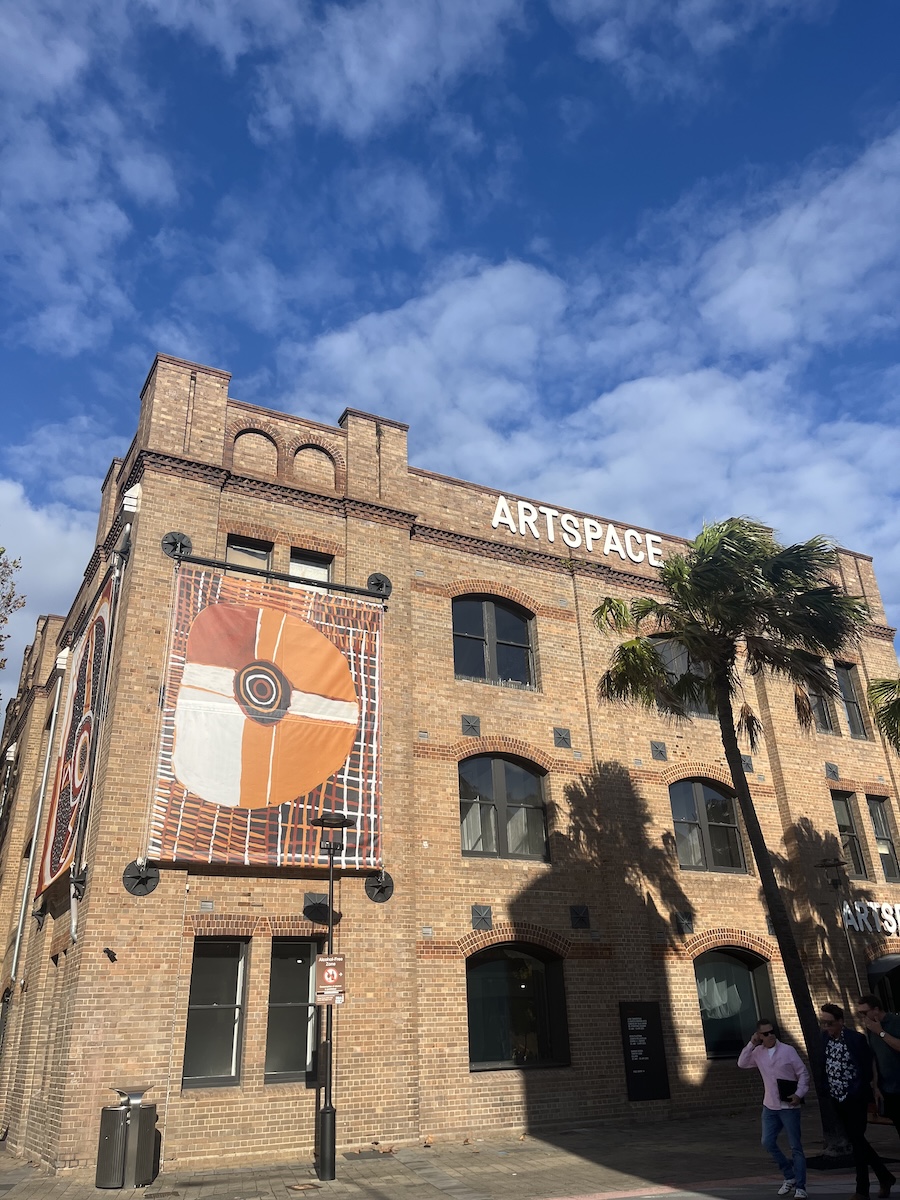
Arts Space; Sydney.
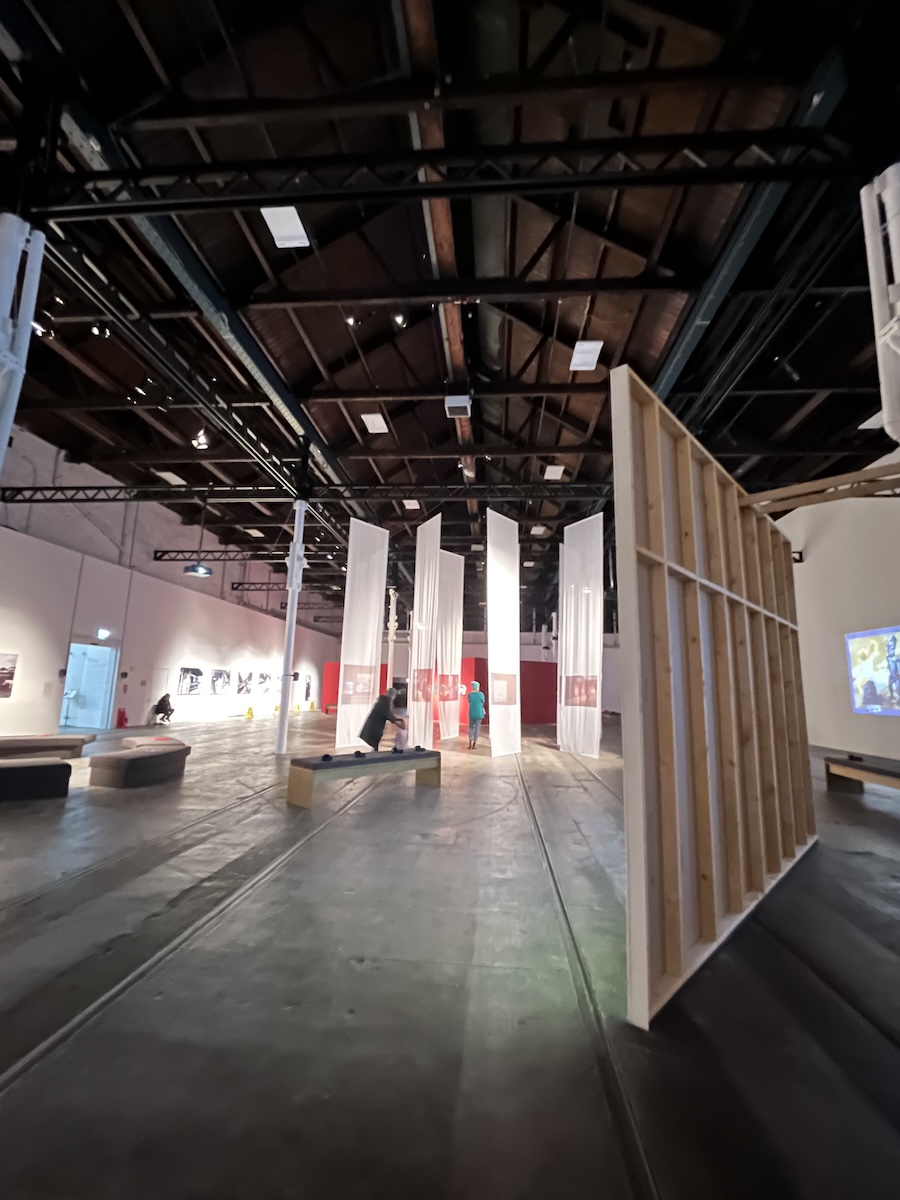
Tramway, Glasgow.
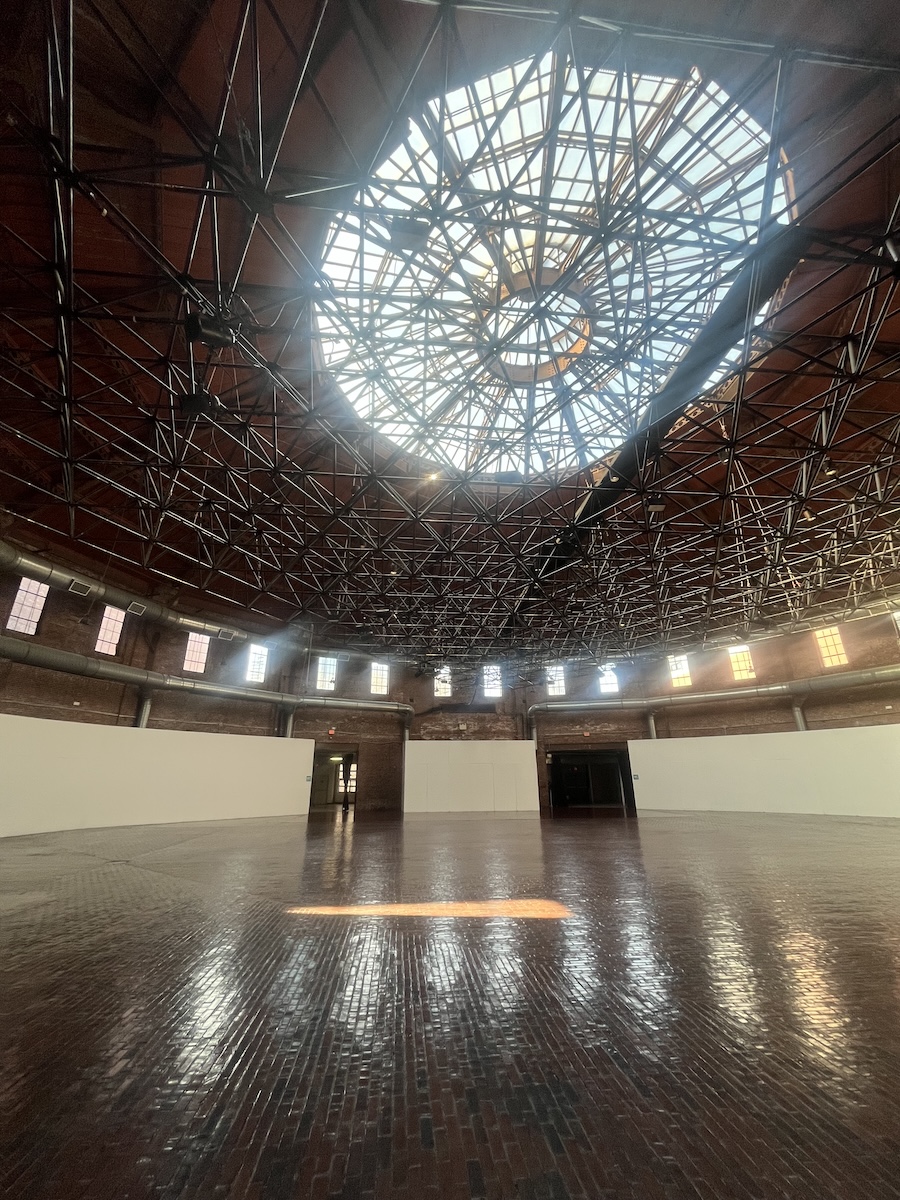
Boston Center for the Arts Cyclorama; Boston.
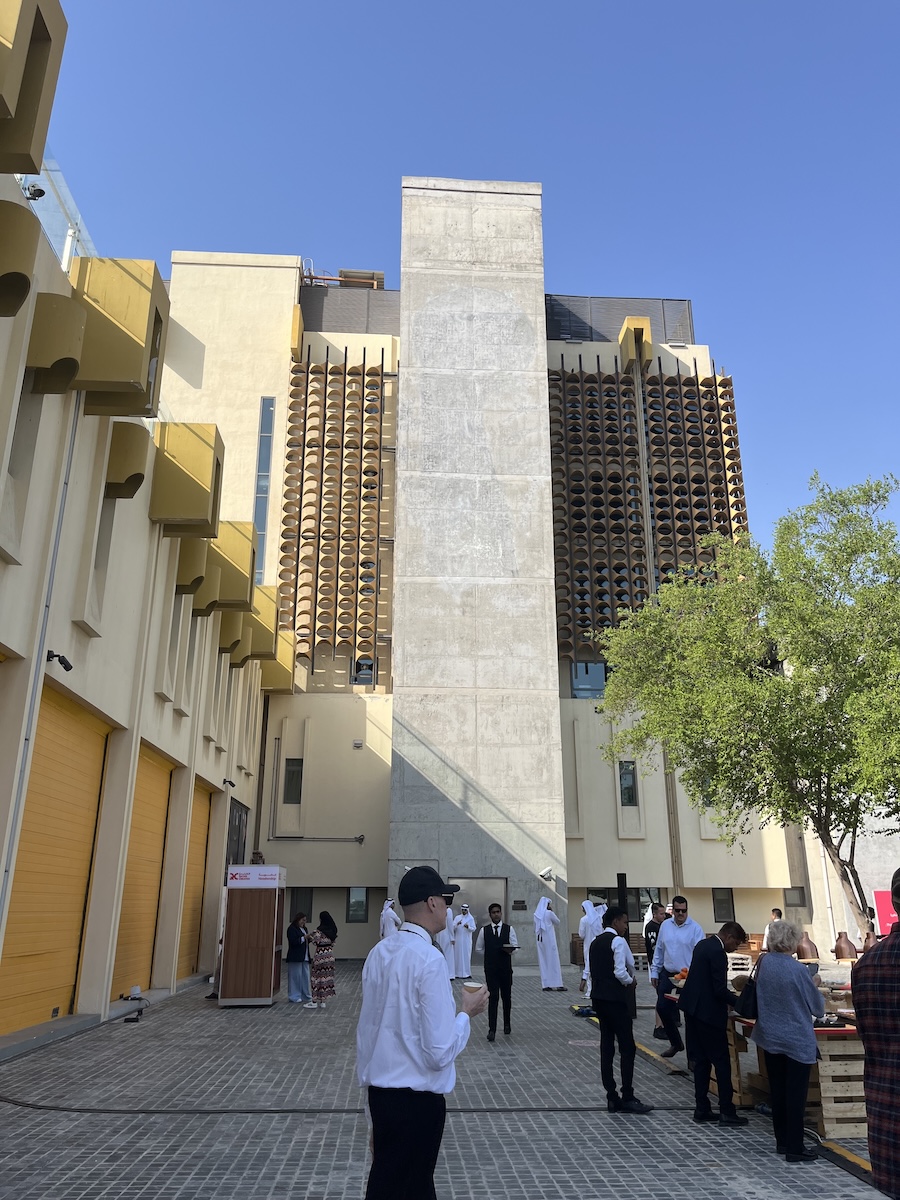
Qatar Creates, Fire Station; Doha.
GUIDING PRINCIPLES FOR 2026
- Local Government Policy & Strategy are the catalytic frameworks, not exact solution guides. They create transparency of intent and a starting point for collaboration. The most powerful case studies are often the exceptions that could never have been anticipated when those documents were written.
- Politics are P/politics, and they move fast. There will always be both the formal ‘P’ and informal ‘p’ politics shaping projects. Develop the right solution first and then build the language and confidence to communicate its probable success for all across politically dynamic audiences.
- Business is Business. Across every geography, cultural ambition is now inseparable from financial logic. We need to be braver about naming which models will and won’t work and use that pressure as a driver for innovation. Agreements aren’t administration; they are part of how partnerships and investment models are tested, and that needs to begin before legal frameworks harden positions.
- Artist-Led Spaces consistently demonstrate the strongest understanding of how creative and financial ecosystems coexist. The most resilient examples I see, in the UK and globally, have grown by creatives, for creatives. They need space and partnership to set achievable rates, rents and operating conditions, because they already know how best to serve their sector.
- Listen, Listen, Listen. My most effective moments come when I prompt and truly listen. My least effective ones come when I listen only for evidence of a solution I have already formed.
- Faster isn’t always better. Cultural organisations continue to remind me that time and timing are strategic inputs. Pauses hold information. Timing can be led, but it cannot be controlled.
- Success is only a beginning. Once the ‘impossible hurdle’ is cleared and there is celebration, enjoy it, be generous, and remember that delivery truly starts after the applause.
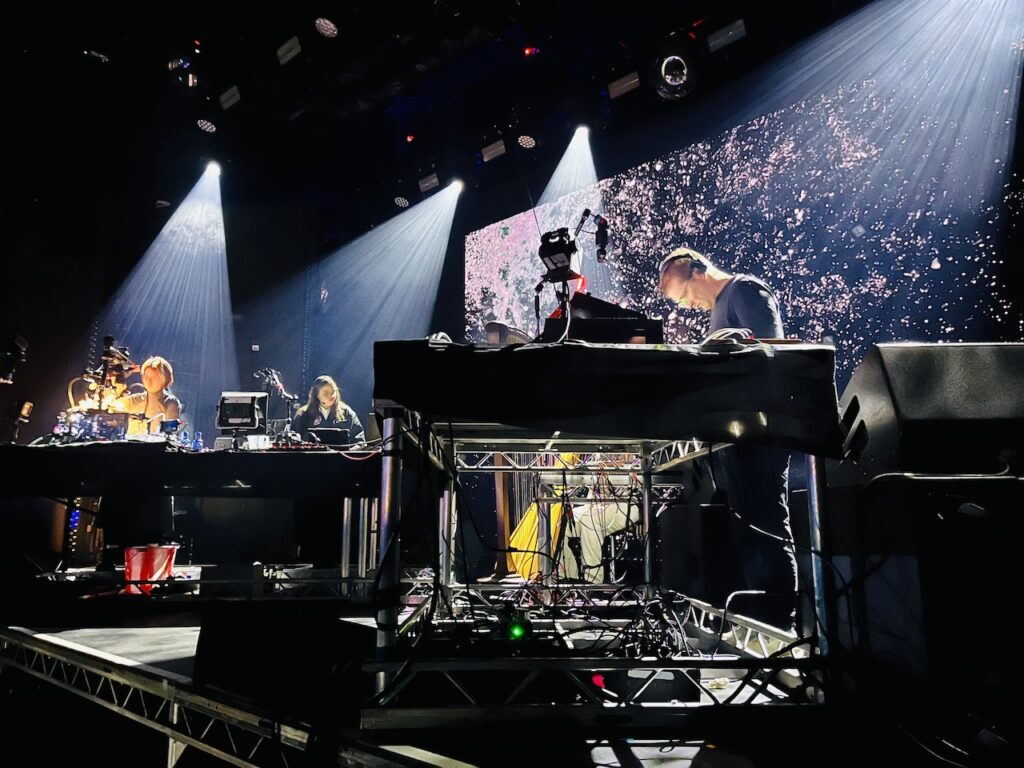
I love that arts and culture intersect with so many systems and sectors. I am naturally curious about how the world works. Artists expose new frames through which we understand our world, and our role is also to expose new worlds back to artists: new conditions, partners and platforms that allow their exploratory thinking to travel further.
How cultural organisations engage transparently will always be shifting. It has to.
Meeting each other with shared curiosity and shared risk is where collaboration becomes meaningful, where trust is built, and where new case studies are formed.